
Safety is arguably the primary reason companies adopt drones for inspections. When starting a new job site, you often encounter an unfamiliar environment with potential safety risks.
Drones enable a proactive approach by inspecting the area before personnel enter, helping identify potential hazards before they escalate into serious issues, thereby reducing liability.
From construction monitoring and inspections to project planning, drones enhance safety across various organizational operations.

Comprehensive Safety Services Offered
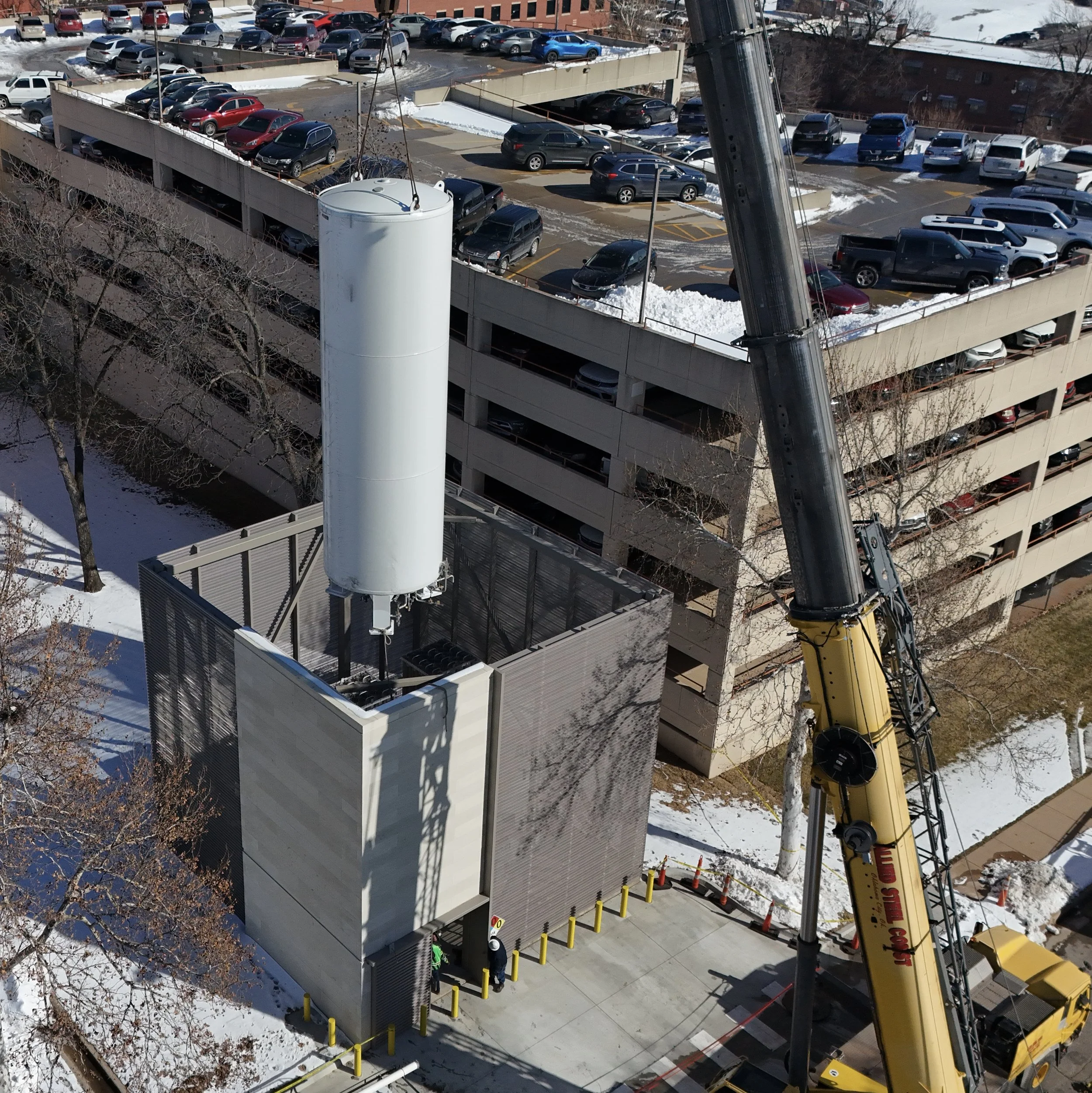
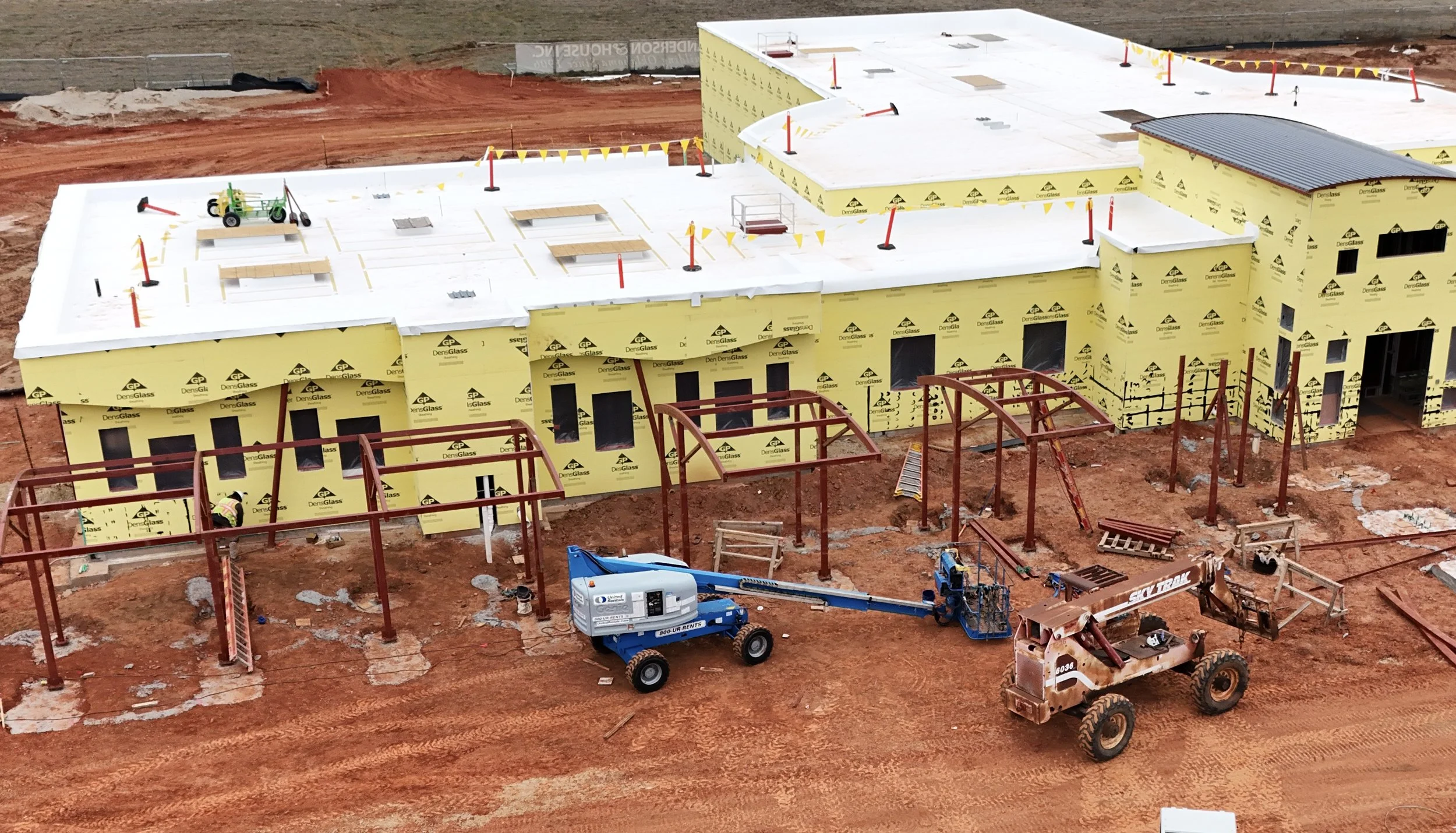
Site safety services utilize drones for real-time aerial surveillance, hazard identification, and structural inspections, significantly reducing exposure to high-risk areas.
Site-Specific Safety Plans (SSSP): Development of comprehensive, project-tailored safety plans to identify, manage, and mitigate hazards in compliance with OSHA and industry regulations. This can be completed on a daily, weekly or as needed basis.
On-Site Safety Inspections: Perform daily job site audits, enforce safe procedures, and conduct regular safety stand-downs.
Safety Monitoring Reporting: Implementation of digital reporting tools, wearable safety tech, and environmental monitoring systems. such as noise dosimeter testing.

Comprehensive Safety Services Offered
Site safety services utilize drones for real-time aerial surveillance, hazard identification, and structural inspections, significantly reducing human exposure to high-risk areas. These services, crucial for construction and critical infrastructure protection,
Site-Specific Safety Plans (SSSP): Development of comprehensive, project-tailored safety plans to identify, manage, and mitigate hazards in compliance with OSHA and industry regulations. This can be completed on a daily, weekly or as needed basis.
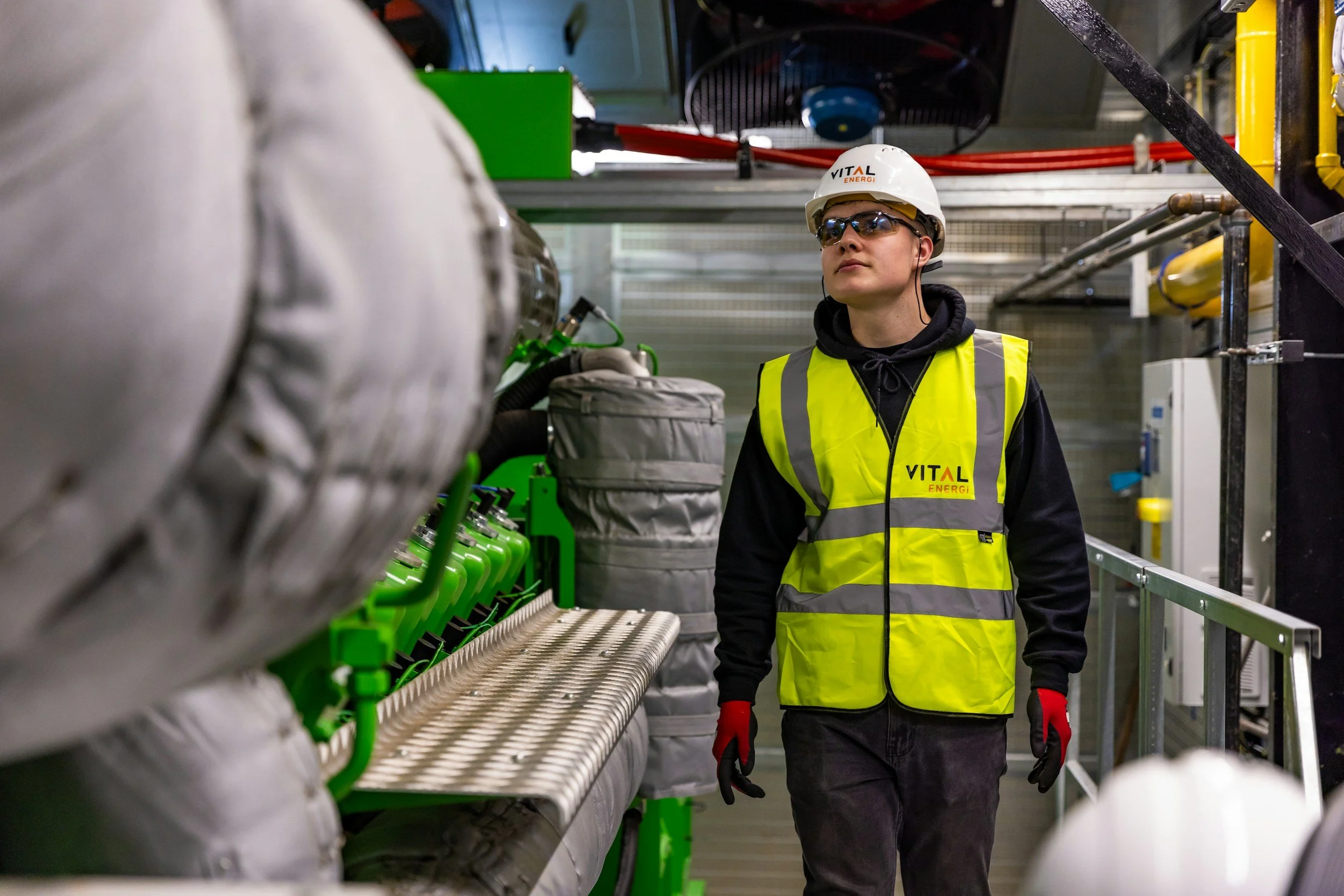
On-Site Safety Inspections: Perform daily job site audits, enforce safe procedures, and conduct regular safety stand-downs.
Safety Technology Integration: Implementation of digital reporting tools, wearable safety tech, and environmental monitoring systems. such as noise dosimeter testing